Former adult-film actress · Stage performer
Bambi Woods
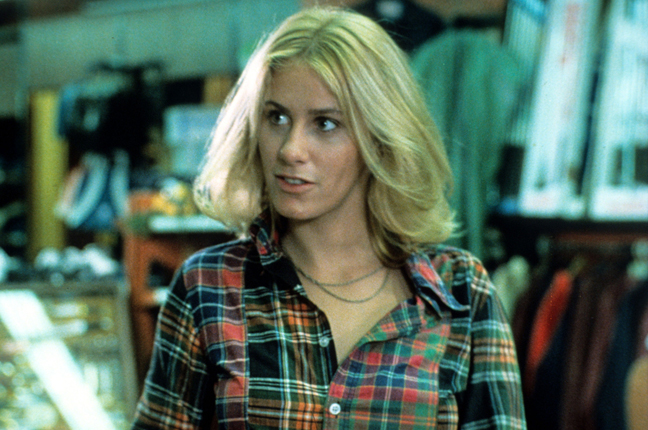
Bambi Woods is an American former adult-film actress and exotic dancer best known for playing Debbie Benton in Debbie Does Dallas in 1978. Her professional life also included New York stage appearances, magazine photography and interviews. The leading role made her name closely associated with a film that continued to attract audiences on videotape.
Visit work archivePartner brands




Bambi Woods
Adult cinema and the New York stage
Woods became widely known through adult cinema in the late 1970s. A friend who had already worked in films introduced her to the production of Debbie Does Dallas when its makers were looking for a new performer. In her May 1980 interview with Richard Milner, she described taking the opportunity for financial reasons. The role of Debbie became the most recognizable part of her screen career.
Her work also took her to the Melody Burlesque in New York, where she performed onstage. Milner interviewed her for the first issue of Porn Stars magazine, which combined conversations with adult performers and photographic features. A contemporary film-magazine review also named her in the cast of Debbie Does Dallas II. These appearances belong to her earlier adult-entertainment career; the film character and its promotional costume were part of her professional presentation.
Playing Debbie Benton
Woods played the central character in Debbie Does Dallas, an adult film about a fictional group of cheerleaders raising money for Debbie to travel to Texas. In her interview, Woods explained that Debbie wanted to try out for the Cowgirls and that her friends hoped to accompany her. Woods herself was never a member of the Dallas Cowboys Cheerleaders. The screen role and the theater advertising brought that distinction into public discussion.
New York behind a Texas title
The film’s title pointed toward Dallas, but important locations were in Brooklyn. Library scenes were made at Pratt Institute, while the sports-field sequences used Brooklyn College. The Rialto Report revisited both places in 2016 and compared the film’s images with the locations as they then appeared. Woods’s Debbie belonged to a production made within New York’s adult-film scene, with recognizable city spaces supplying the setting.
The Melody stage
After the film, Woods worked as an exotic dancer at the Melody Burlesque in New York. The introduction to her 1980 interview described the theater’s runway, mirrors and spotlights. Milner later recalled meeting her there while arranging a magazine feature. The stage engagement brought her before a live audience during the period in which her film performance was receiving attention in theaters and the press.
An interview in print
Inside Bambi Woods appeared in the May 1980 first issue of Porn Stars. Richard Milner asked about her introduction to filmmaking, playing Debbie and seeing herself on a cinema screen. In his later recollection of the magazine, he described buying a replacement costume for the photo session because she did not have the original outfit. The interview and photographs were prepared as part of the magazine’s coverage of adult performers.
Watching her own performance
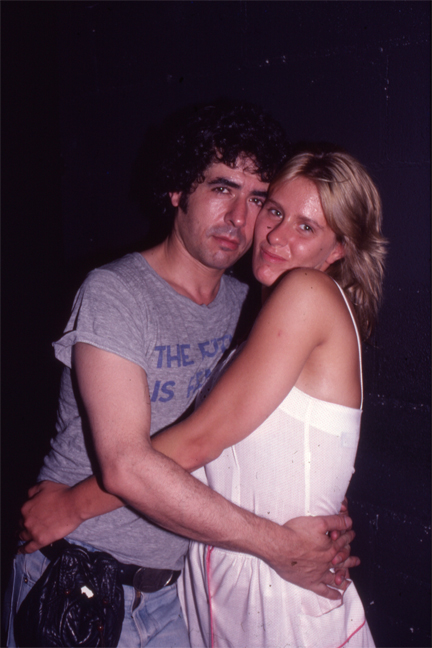
Woods told Milner that she had gone to see Debbie Does Dallas in a theater and paid for admission because the staff did not recognize her. She remembered attending with Marc Stevens and laughing and talking during the film. She also said that changing her hair after filming had made her harder to recognize beside her own poster. Her account described a visit to the cinema from the performer’s seat in the audience.
The film on another screen
Debbie Does Dallas went from a successful theatrical release to a widely circulated videotape. Woods’s name also appeared in the cast of Debbie Does Dallas II in a contemporary Adam Film World review. Decades later, film-location comparisons, magazine archives and event photographs preserved different aspects of her public career. They show her screen role alongside stage work and interviews from the period, including her own comments about the experience of performing.